
Exploring the Dutch Grand Prix Beyond Bookmakers’ Odds
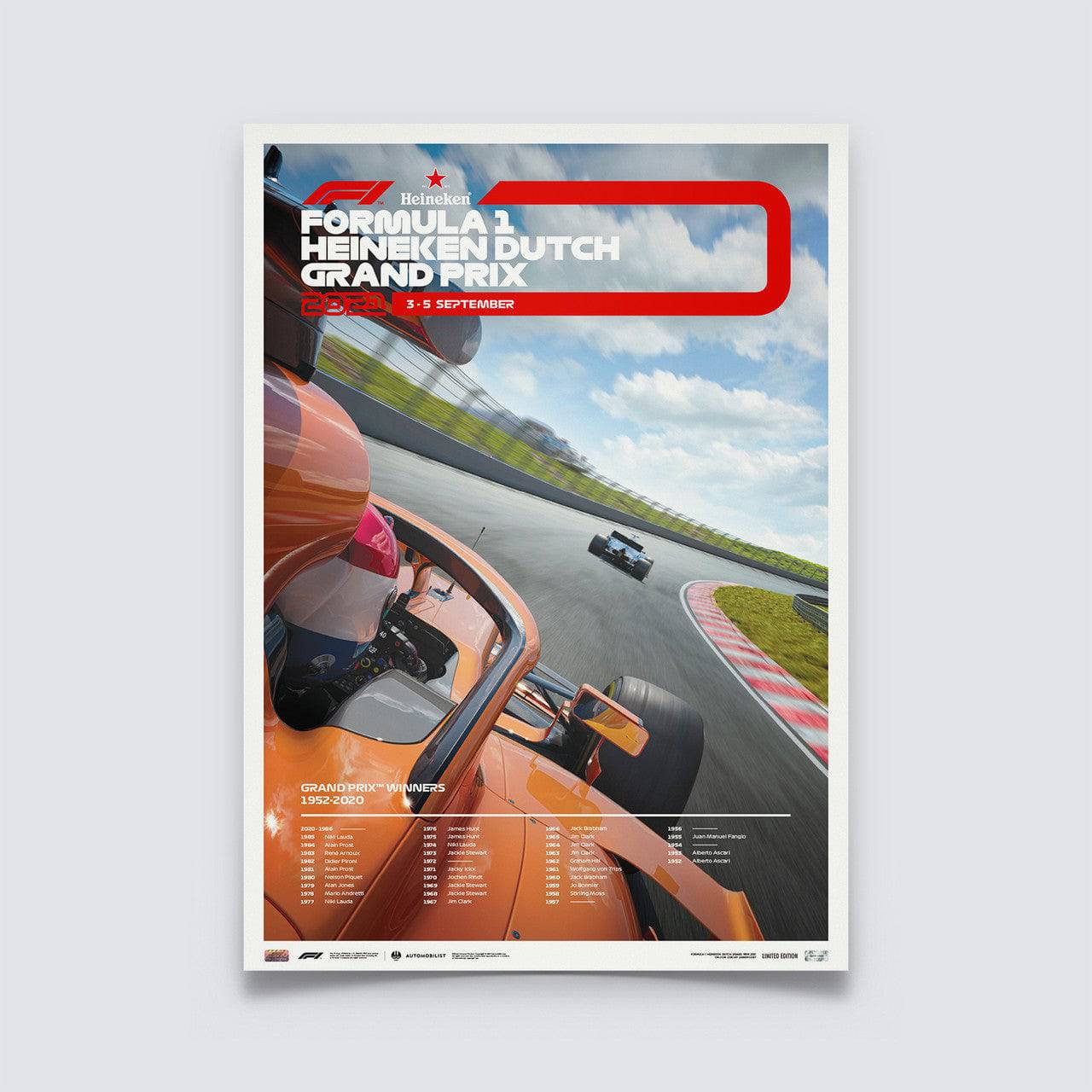
The Dutch Grand Prix: A Closer Look Beyond Bookmakers’ Odds
The Dutch Grand Prix has a storied history and has been a significant addition to the Formula 1 calendar. As excitement builds around this event, many fans and bettors alike turn to bookmakers for odds and predictions. However, understanding the Dutch Grand Prix requires more than just looking at odds. It demands a closer examination of the race’s history, track characteristics, driver performance, and team strategies. To dive deeper into this, we can explore various aspects that make the Dutch Grand Prix a unique spectacle in the world of motorsport. In this article, we’ll also touch upon Dutch Grand Prix Bookmakers Not On Gamstop thegoodintentpub.co.uk for some great insights and local discussions around the event.
A Brief History of the Dutch Grand Prix
The Dutch Grand Prix, officially part of the Formula 1 calendar since 2021, has deep roots dating back to its inaugural event in 1952. Held at Zandvoort, the race has seen many legendary drivers, including the great Ayrton Senna and Michael Schumacher, capture victory on its challenging circuit. The event was discontinued after 1985 due to various reasons, primarily financial, before making its exciting return in the modern era. This rich history lends a certain nostalgic value to the Grand Prix, making it more than just another race.
The Zandvoort Circuit: Characteristics and Challenges
The track itself, with its undulating terrain and seaside setting, presents several challenges for drivers. Spanning 4.259 km, Zandvoort features a combination of high-speed straights and technical corners that require precision and skill. The banked corners, particularly the famous Tarzan corner, afford opportunities for overtaking but also pose risks for drivers pushing the limits. When examining odds and predictions, acknowledging these unique characteristics is essential in understanding potential outcomes.
Driver Performance: Key Considerations
When analyzing potential outcomes of the Dutch Grand Prix, one cannot overlook driver performance. Factors such as recent form, historical performance at Zandvoort, and even personal affinity with the circuit play a huge role. For instance, drivers like Max Verstappen, who is a hometown hero, have a noteworthy edge owing to their familiarity and emotional connection to the track. Additionally, performance in previous races of the season can provide insight into how a driver might fare. However, examining skill in wet or dry conditions, tire management, and adaptability can go a long way in informing bets and predictions.
Team Dynamics and Strategies
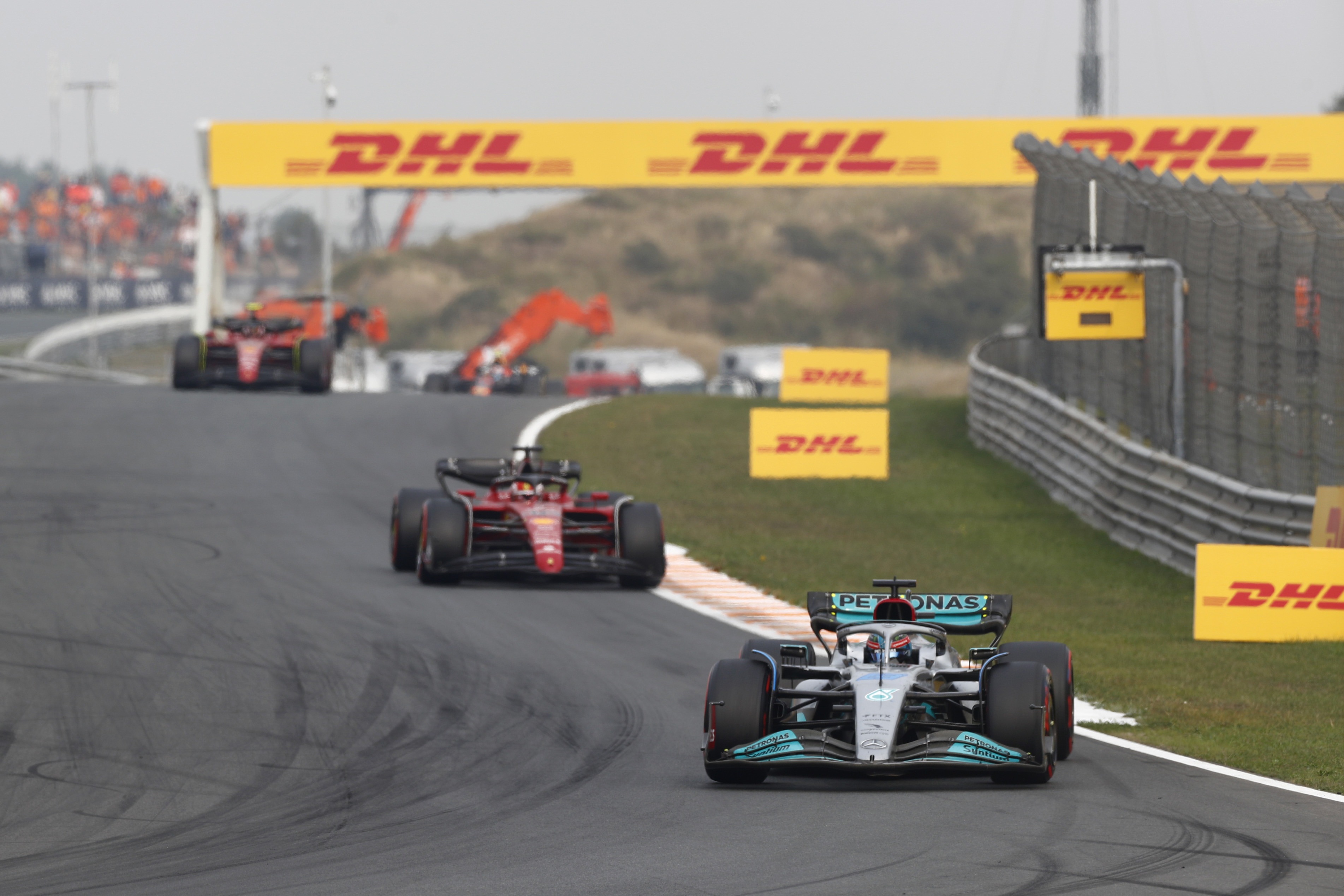
Team strategies significantly influence race outcomes. The dynamics between drivers and teams become especially crucial in races like the Dutch Grand Prix, where numerous variables come into play. Teams equipped with a strong technical advantage—like Mercedes or Red Bull Racing—previously, are often favorites in betting odds. However, surprises can emerge from well-executed strategies or rookie performances that disrupt expected outcomes. Understanding team performance and planned strategies for the weekend can provide bettors with substantial insight into how a race may unfold.

The Role of Weather in Race-Day Strategies
The unpredictability of weather conditions adds layers of complexity during the Dutch Grand Prix weekend. Zandvoort, located near the North Sea, often witnesses changing weather patterns that can impact tire choices and strategy. Rain can favor certain drivers known for their skill in tricky conditions, while a dry race might lead to a different set of dynamics. Therefore, bettors should keep a close eye on weather forecasts leading up to the race, as this can have a direct impact on performance and outcomes.
Understanding Bookmakers’ Odds
While bookmakers’ odds are an essential factor for bettors, they are not the sole determinant of outcome predictions. Odds represent the bookmakers’ interpretation of potential outcomes, influenced by public opinion, betting volume, and other variables. However, a savvy bettor must delve into statistical analysis, historical performance, and qualitative aspects, including driver interviews and technical evaluations from the team’s practices leading up to the race week.
Engaging with the Community: A Fan’s Perspective
Last but not least, engaging with the fan community surrounding the Dutch Grand Prix offers unique insights. Local forums, fan clubs, and discussions often reveal opinions and perspectives that may not be covered in mainstream media. Tuning into such conversations could provide additional angles for understanding races and betting outcomes. Websites, like thegoodintentpub.co.uk, host venues for fans to gather, share insights, and discuss the nuances of the Grand Prix.
Conclusion: Betting on the Dutch Grand Prix
As the Dutch Grand Prix continues to grow in stature within the Formula 1 calendar, it remains crucial for fans and bettors to look beyond mere odds. By considering the race’s rich history, the characteristics of the Zandvoort circuit, and the performance of drivers and teams, bettors can make more informed decisions. Understanding how external factors, such as weather and strategic team dynamics, play out during a race can also be instrumental when placing bets. Engaging with the community and keeping abreast of discussions surrounding the event offers further insights that may not be captured by bookmakers. Ultimately, the Dutch Grand Prix is not just a race but a thrilling experience that merges history, competition, and the art of betting, making it a captivating event for everyone involved.